


Germany is often associated with high-quality apparel and strong retail infrastructure. But for sourcing teams and import managers, the more useful question is not “where can I buy cheaper?”—it’s why certain brands price lower in Germany, and what that reveals about distribution, VAT, discount cycles, and margin structure.
This guide keeps the original core message (many brands can be cheaper in Germany), but reframes it as buyer-facing sourcing intelligence: how Germany’s pricing dynamics work, where the discounts come from, and how to use this information when benchmarking costs for private label and bulk programs.
For apparel buyers benchmarking EU retail pricing against production costs: see our EU and German ready T-shirt manufacturing capabilities.
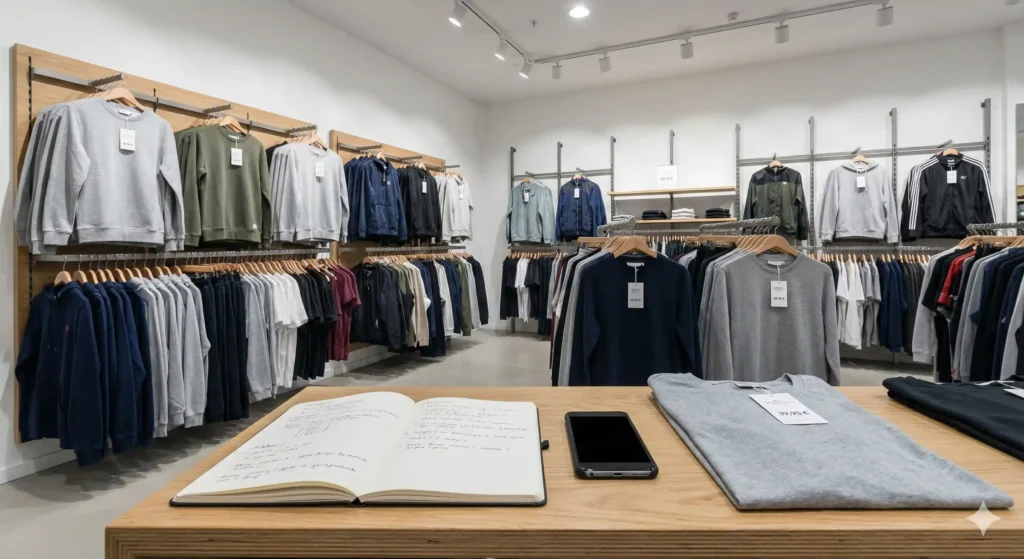
Why Some Fashion Brands Are Cheaper in Germany
When brands appear cheaper in Germany, it is usually driven by a combination of commercial factors—not “cheap quality.” For procurement and merchandising teams, these drivers matter because they influence your benchmark pricing and your negotiation approach.
1) Local distribution and reduced landed costs
Brands with a strong footprint in Germany can move inventory through local distribution networks with fewer cross-border logistics steps. Reduced freight, handling, and regional warehousing costs can translate into more aggressive retail pricing—especially during seasonal transitions.
2) VAT structure and consumer price psychology
Germany’s VAT is predictable and built into consumer pricing norms. Many brands optimize local price points to meet high-competition retail expectations, particularly in sportswear and mid-market casual categories.
3) Discount culture: outlets, end-of-season markdowns, and online promo cycles
Germany has a mature outlet ecosystem and heavy seasonal markdown cycles. For buyers, this is a useful signal: if a brand relies on frequent discounting, it typically implies tighter full-price sell-through targets and more margin allocated to promotion support.
Brands Often Priced Lower in Germany (What It Signals to Buyers)
Below are examples of brands that are frequently perceived as cheaper in Germany—along with the practical “so what” for B2B teams. This is especially helpful when you are doing competitor pricing studies or validating target FOB ranges for a new line.
1) Adidas
As a Germany-based powerhouse, Adidas benefits from mature local distribution and a well-developed outlet structure. For sourcing teams, Adidas pricing patterns are a benchmark for performance tees, sportswear, and athleisure basics—especially during mid-season promo windows.
2) Puma
Puma’s discounting is often visible across outlet villages and online campaigns. From a procurement lens, this indicates a category where inventory turns and promo cadence strongly shape final pricing.
3) Hugo Boss
Luxury labels can be more “accessible” in their home markets due to localized retail strategy and outlet ecosystems. For private label decision-makers, the takeaway is how fabric, tailoring standards, and finishing are positioned at different price points through controlled discount channels.
4) Esprit
Esprit’s pricing can look more competitive in Germany because of strong European retail presence and promotions. For buyers, this is a good reference point when comparing mid-market casualwear cost structures.
5) C&A
C&A demonstrates how large-volume retail models keep entry pricing aggressive. This is useful when you are building cost targets for basic knit tees, family apparel, and core repeat programs.
6) Jack Wolfskin
Outdoor categories often carry a visible premium, yet local pricing may still be lower. Buyers can use this to benchmark technical fabric expectations and how features are priced in Europe versus other regions.
7) Tom Tailor
A strong domestic retail presence and clearance cycles can make pricing look more favorable. For merchandising, it helps validate where the market “accepts” price points for casual and semi-formal basics.
8) Zalando (own brands)
Zalando’s private labels are a direct signal of how online-first retail compresses pricing. For B2B teams, the key insight is how design simplification, repeatable fits, and scalable sourcing support competitive shelf pricing.
Best Time & Place to Track Price Signals in Germany
If you are using Germany as a benchmark market, track pricing during periods when retailers reset inventory and brands push promotional budgets.
Best times to track
- January–February: winter clearance and inventory resets
- July–August: summer markdown cycles and assortment turnover
- November: promo-heavy season (Black Friday and extended campaigns)
Best places to monitor
- Outlet clusters: to understand discount depth and product mix
- Department stores and chains: for brand positioning and seasonal promos
- Online marketplaces: for live pricing volatility and bundle strategies
How to Use “Cheaper in Germany” Data for B2B Sourcing
If you are building a private label line or sourcing bulk programs, Germany’s price differences can help you in three practical ways:
- Benchmarking: validate realistic target price bands by category (sportswear, casualwear, premium basics)
- Margin logic: infer how brands protect margin through outlet channels, promo cadence, and product tiering
- Specification alignment: match fabric, GSM, trims, and finishing to the price point the market supports
If your strategy involves multiple benchmark markets, you may also want to compare similar “cheaper market” dynamics across other regions:
- Brands that price lower in Spain,
- Brands that are cheaper in Italy,
- Brands often cheaper in Japan,
- Pricing patterns seen in London retail.
These comparisons help buyers separate “true cost advantage” from “discount-cycle advantage.”
Key Takeaway
Yes—many brands can be cheaper in Germany, but the deeper value is understanding why. Germany’s strong distribution, mature outlet ecosystem, and predictable promo cycles create pricing conditions that buyers can use for cost benchmarking, margin modeling, and specification planning when developing private label or bulk apparel programs.

.