
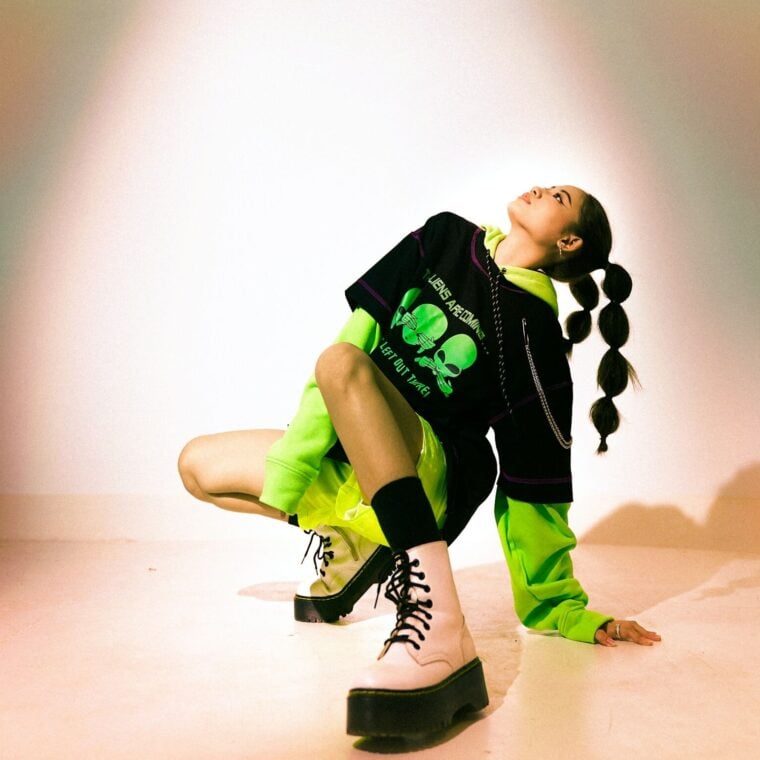

If you are searching for the top streetwear manufacturers, most lists you find rank consumer brands you cannot actually order from, not the factories that build the garment. After 20+ years in Tirupur, having manufactured streetwear for brands including Tatami, here is an honest guide to genuine streetwear manufacturers, plus a truth about streetwear production that no brand-listicle will tell you. This is written from the factory floor, not from a shopping page.
The Truth About Streetwear Manufacturing
This is the single most useful thing a real manufacturer can tell you, and it is worth stating plainly. Streetwear, at the point where it is actually made, is t-shirts, hoodies, and knit tops with changes to the fit, the styling, and the finishing. The garment that a brand sells as premium streetwear comes off the same cutting tables and the same stitching lines as a standard tee or hoodie. What turns it into streetwear is a set of specification choices: an oversized or boxy cut instead of a regular fit, a heavier fabric weight, a drop shoulder, and often a special wash or print that gives it the look the market wants. For a capable knit manufacturer there is no separate “streetwear factory” involved, only a different spec sheet. Understanding this saves brands from paying a mythical premium for a category that, in production terms, does not exist as something apart from t-shirt and hoodie manufacturing.
What Actually Makes a Garment “Streetwear” in Production
If streetwear is built on the same floor as tees and hoodies, then the streetwear identity comes entirely from the specification and finishing choices layered on top. These are the levers that matter.
The first is fit. Streetwear lives on oversized, boxy, and drop-shoulder silhouettes rather than the fitted cuts of standard apparel, and getting that fit right is a pattern and grading decision. The second is fabric weight. Streetwear leans heavy, with tees often running well above standard GSM and hoodies built from heavyweight fleece, because the substantial hand-feel is central to the look. The third is the wash. Acid washes, garment dyeing, enzyme and vintage washes are what give streetwear its lived-in character, and washing capability is where a lot of the streetwear look is genuinely made. The fourth is print and embellishment, from puff and high-density print to screen, DTF, and embroidery, which carry the graphic identity streetwear depends on. A manufacturer strong across these four levers can build any streetwear garment a brand designs.
Top 10 Streetwear Manufacturers
The list opens with our own factory, then runs through the strongest recognised streetwear manufacturers and heavyweight blank houses worldwide, so you can see the full range honestly.
1. The Synerg – India
The Synerg leads this list because streetwear is core to what we already do. Our Tirupur factory is built around 100% cotton knitwear, which means the t-shirts and hoodies that streetwear is made from are our everyday production, and the streetwear versions are simply built to different specifications. We manufacture oversized and drop-shoulder streetwear tees, heavyweight hoodies, tracksuits, and jerseys, with the special washes and prints that define the category, and we have real experience building streetwear for brands including Tatami. We work to a standard minimum of 300 pieces per colour per style, to a brand’s own fit, weight, wash, and print. Fabric bases run from heavyweight jersey to brushed fleece, confirmed against a physical sample before bulk. Because we understand that streetwear is a specification challenge rather than a separate craft, brands get the honest guidance and the finish control that the look actually needs. See the full specification on our streetwear manufacturing page.
2. Los Angeles Apparel – USA
A vertically integrated manufacturer producing entirely in Los Angeles, widely respected in the streetwear community for heavyweight garment-dyed tees and fleece and slightly oversized fits. A strong fit for brands prioritising made-in-USA credentials and premium heavyweight blanks, though minimums suit established labels rather than first runs.
3. Rue Porter – USA / Portugal
A luxury streetwear specialist known for oversized fits, heavyweight fabrics often sourced from Europe, and a minimalist aesthetic. Based in Los Angeles with production frequently in Portugal or Turkey, it serves the high-end and luxury streetwear segment with a curated range of hoodies, tees, and sweatpants.
4. AS Colour – New Zealand / Global
A globally recognised blank apparel manufacturer known for clean, consistent construction and premium fabric quality. A popular streetwear blank canvas for brands that decorate rather than commission full custom knitwear, with a broad, reliable range.
5. Bella+Canvas – USA
One of the most recognised names in blank apparel, offering consistent sizing and a dependable base for print and embroidery. Widely used by streetwear decorators wanting a stable blank across large runs.
6. Comfort Colors – USA
Known for heavier garment-dyed cotton tees with a premium, lived-in feel. A frequent streetwear blank choice for collections aiming for an effortless, timeless look built on garment dyeing.
7. Stanley/Stella – Belgium
A European manufacturer focused on sustainable and ethical production, specialising in organic cotton. A strong fit for streetwear brands building a sustainability-driven identity on certified responsible blanks.
8. Eastman Exports – India
A large vertically integrated Tirupur house with genuine depth in fabric variation and washing, which is exactly where much of the streetwear look is made. Suited to brands placing large volumes that need serious garment-dye and wash capability at scale.
9. Cameo Garments – India
A Tirupur knit and hosiery house with strong finishing discipline, which carries directly into the clean construction that elevated streetwear demands. A good fit where the perceived quality of the finished piece is the selling point.
10. Appareify – China
A broad customization factory known for full zip hoodies, tracksuits, and a wide style range. Suited to brands wanting extensive Chinese capacity across many streetwear styles at flexible order sizes.
Streetwear Manufacturer Comparison Table
The table below sets the ten manufacturers side by side so you can match the right one to your brand.
| Manufacturer | Country | Streetwear Speciality | Best For |
|---|---|---|---|
| The Synerg | India | Custom oversized tees, heavyweight hoodies, washes, prints | Custom streetwear from 300 pcs per colour |
| Los Angeles Apparel | USA | Heavyweight garment-dyed blanks | Made-in-USA heavyweight basics |
| Rue Porter | USA / Portugal | Luxury oversized heavyweight | High-end luxury streetwear |
| AS Colour | New Zealand | Premium blanks | Brands that decorate a blank |
| Bella+Canvas | USA | Consistent blanks at scale | Large print and embroidery runs |
| Comfort Colors | USA | Garment-dyed heavyweight tees | Lived-in, timeless look |
| Stanley/Stella | Belgium | Sustainable organic blanks | Sustainability-led brands |
| Eastman Exports | India | Large-scale washing and dyeing | High volume with heavy wash needs |
| Cameo Garments | India | Finishing quality | Elevated, clean construction |
| Appareify | China | Broad style customization | Wide range at flexible sizes |
How We Build Streetwear: Real Experience
Because streetwear is t-shirts and hoodies with specification and wash changes, our streetwear work draws on the same knit expertise that runs through our whole factory, applied to a different brief. Working with a streetwear brand like Tatami, the job is to translate a design language into concrete production choices: the exact oversized measurements and drop-shoulder drop, the fabric weight that gives the garment its presence, the wash that delivers the intended character, and the print method that carries the graphic. None of that requires a separate kind of factory, and any manufacturer claiming streetwear is a wholly different discipline is, frankly, not being honest. What it requires is a knit manufacturer who understands heavyweight construction, washing, and print, and who will build the garment to the brand’s spec rather than to a generic template. That is the work, and it is work we do routinely. For the fabric weight side of the decision, our guide to the GSM weights hoodie manufacturers actually use is directly relevant, and for the hoodie side of a streetwear range, our overview of the top hoodie manufacturers worldwide covers the construction detail.
How to Choose a Streetwear Manufacturer
The choice comes down to matching the manufacturer’s real strengths to what your brand needs. If you want made-to-spec custom streetwear at sensible volumes, a knit specialist who builds tees and hoodies to your fit, weight, wash, and print is the right partner. If you want to decorate an existing heavyweight blank, a premium blank house suits better. If you need very large volumes with heavy washing, a large integrated mill fits. The honest limitation to keep in mind is that a small brand chasing tiny quantities will struggle everywhere, because genuine custom streetwear is built to real minimums rather than in handfuls. Decide whether you are commissioning a garment or buying a blank, and the shortlist narrows quickly.
Our honest recommendation
If you are building a custom streetwear line, remember that you are really commissioning t-shirts and hoodies built to a streetwear specification, so the decisions that matter are fit, fabric weight, wash, and print, all confirmed against a physical sample before bulk. That is exactly how we build streetwear for the brands we work with. We produce from a minimum of 300 pieces per colour per style, to your own spec. To see full fabric options, weights, washes, and construction, visit our streetwear production page and send a tech pack for a sampled quote.
Frequently Asked Questions
Who are the top streetwear manufacturers?
The strongest streetwear manufacturers span custom knit specialists like The Synerg in India for made-to-spec oversized tees and heavyweight hoodies, heavyweight blank houses like Los Angeles Apparel, Rue Porter, AS Colour, Bella+Canvas, and Comfort Colors, and large integrated mills for high-volume washing. The right one depends on whether you want custom production or a blank to decorate.
Is streetwear different from regular t-shirts and hoodies to manufacture?
No. At the factory floor, streetwear is t-shirts and hoodies with style specification changes and special washes added. The streetwear category exists at the consumer level, not in production. A capable knit manufacturer builds streetwear on the same lines as standard tees and hoodies, using a different spec sheet for fit, weight, wash, and print.
What makes a garment streetwear in production?
Four choices: an oversized, boxy, or drop-shoulder fit, a heavier fabric weight, a special wash such as acid, enzyme, or garment dye, and a print or embellishment that carries the graphic identity. These specification and finishing choices layered onto a standard tee or hoodie are what create the streetwear look.
What GSM is used for streetwear t-shirts and hoodies?
Streetwear leans heavy. Streetwear tees often run well above standard t-shirt weight for a substantial hand-feel, and streetwear hoodies are typically built from heavyweight fleece. The exact weight is a design choice confirmed against a sample, since the heavy hand-feel is central to the streetwear look.
Can you manufacture custom oversized and heavyweight streetwear?
Yes. We manufacture custom streetwear including oversized and drop-shoulder tees, heavyweight hoodies, tracksuits, and jerseys, with special washes and prints, to a brand’s own specification. Our standard minimum is 300 pieces per colour per style, confirmed against a physical sample before bulk.

About the Author: Karthik Shan
Karthik Shan is the founder and CEO of The Synerg, with 20+ years in the Tirupur textile hub. He publishes practical playbooks for brands on fabric GSM, costing (CM/CMT), AQL quality standards, and export-ready production.