
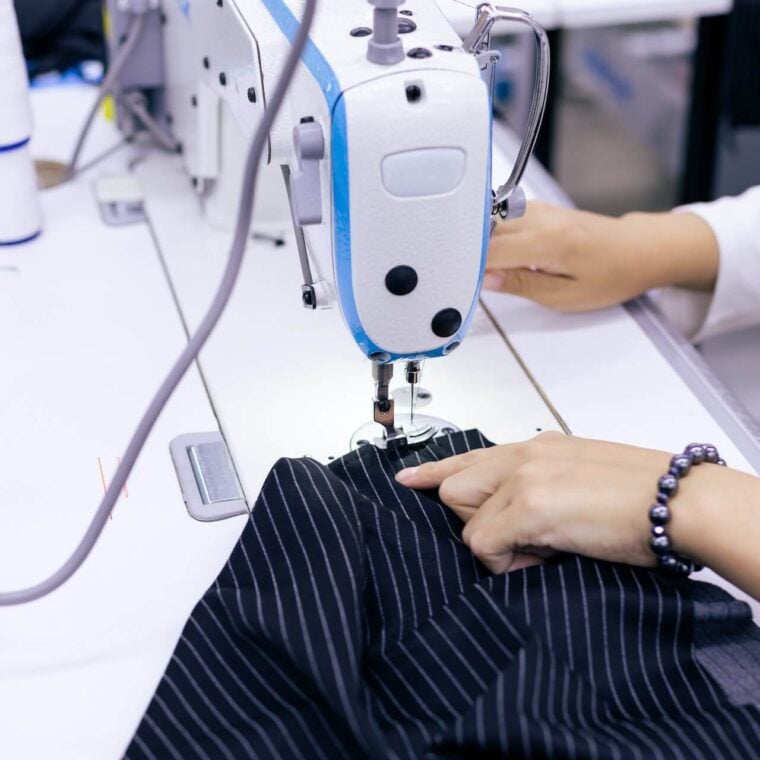

A garment factory is a specialized industrial facility designed for the high-volume production of clothing and textile goods. At Synerg, we view the factory as more than just a building; it is a synchronized ecosystem where technical precision meets creative design. From boutique startups to global retailers, the garment factory serves as the physical engine that brings fashion sketches to life on a global scale.
For brands targeting the Europe or UK Clothing manufacturers, understanding the mechanics of an Indian garment factory—from setup costs to production models—is essential for building a profitable and sustainable supply chain.
Choosing Your Model: CMT vs. FPP
Before calculating costs, you must decide which manufacturing model your factory will follow. This choice dictates your infrastructure needs and your team size:
- CMT (Cut, Make, Trim): The brand provides the fabric and patterns. The factory only handles the cutting, sewing, and finishing. This offers the brand maximum control but requires a complex in-house sourcing team.
- FPP (Full Production Package): The factory handles everything—fabric sourcing, pattern making, sampling, and final production. At Synerg, we recommend FPP for international brands as it streamlines the entire supply chain through a single point of contact.
Step-by-Step Cost Analysis: Setup in India
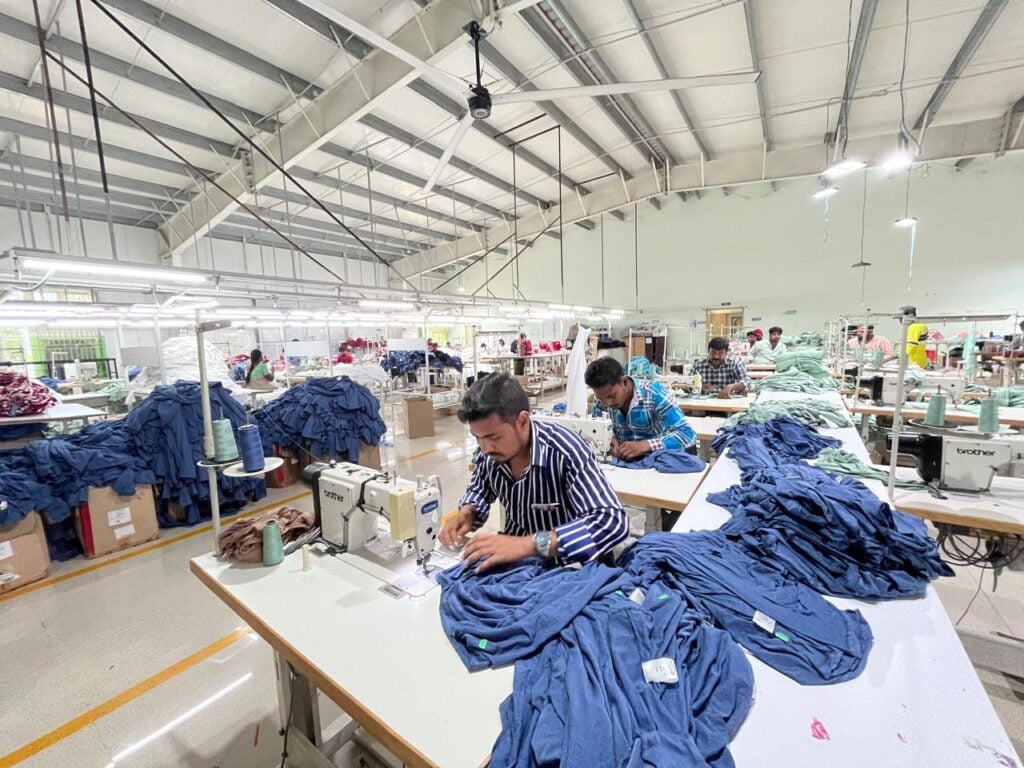
Setting up a lean, export-quality 20-machine unit in a rented facility requires an initial capital investment of approximately ₹20,00,000 (20 Lakhs). Here is the realistic breakdown of a professional-grade startup in India:
| Investment Category | Approximate Cost (INR) |
|---|---|
| Core Machinery (20 SNLS, Overlock, Flatlock, Buttonhole) | ₹8,00,000 |
| Cutting & Finishing (Cutting machines, Vacuum tables, Steam boilers) | ₹3,00,000 |
| Factory Infrastructure (Cutting tables, finishing racks, electricals) | ₹2,50,000 |
| Lease & Setup (Security deposit, interior fit-out, lighting) | ₹3,50,000 |
| Initial Working Capital (Legal, licensing, and first month’s overhead) | ₹3,00,000 |
| Total Initial Investment | ₹20,00,000 |
Key Factors for a Successful Setup
To ensure your factory is competitive in the 2026 market, you must consider Location and Incentives:
- Location Strategy: Hubs like Tirupur offer immediate access to raw materials and skilled labor. Proximity to a port or major logistics hub is vital for minimizing lead times for your 9-step production process.
- Government Subsidies: The Indian government actively supports the textile sector through the PLI (Production Linked Incentive) Scheme. Programs like these can significantly lower your long-term operational costs if your factory meets specific export and production targets.
💡 Karthik’s Take: The ROI of Compliance
In my 20+ years of managing units in Tirupur, I’ve seen factories fail not because they lacked machines, but because they lacked Compliance. Today, international buyers from the UK and US prioritize ethical working conditions above all else.
When setting up your unit, don’t cut corners on lighting, ventilation, or safety. A compliant factory might have a slightly higher initial cost, but it secures your place as a preferred vendor for the world’s top fashion brands.
Leverage Our Ready Infrastructure
Setting up a factory is complex. Partnering with one shouldn’t be. Let Synerg handle the infrastructure while you focus on brand growth.

Karthik Shan
As the CEO of Synerg, Karthik Shan specializes in setting up and managing compliant apparel production units in Tirupur. With over 20 years of experience, he helps global brands leverage Indian factory infrastructure for international growth.