

A dyed t shirt manufacturer has to answer two questions before any colour goes on: which dye suits the fibre, and at what stage the colour goes in. Different dyeing techniques give t-shirts very different results in colour, wash fastness, hand-feel, and cost. This guide covers both. It explains the t shirt dyeing techniques used by every dyed t shirt manufacturer in Tirupur’s processing mills, from reactive dyeing to garment dyeing, based on more than 20 years of producing coloured and striped t-shirts, including yarn-dyed auto-stripe polo shirts.
Where the Colour Goes In: Yarn, Fabric, or Garment
Before choosing a dye, decide at what stage the t-shirt is coloured, because that sets the look more than the dye itself.
Yarn Dyed T-Shirts
The yarn is dyed before knitting, so the colour is built into the structure of the fabric. This is how stripes are made without printing. We produce yarn-dyed auto-stripe PK polo shirts, where the stripe is knitted in on the machine rather than printed on the surface, so it never cracks or fades unevenly. A yarn dyed t shirt manufacturer also uses dyed yarn for melange and heather effects, and it is the route any striped t shirt manufacturer uses for knitted stripes. Yarn dyeing costs more and needs longer lead times, because the yarn must be dyed and approved before knitting starts.
Fabric (Piece) Dyed T-Shirts
The knitted fabric is dyed in rolls before cutting. This is the standard route for solid-colour t-shirts, and it gives the most even shade across a production run. Most of the cotton jersey t-shirts made in Tirupur are fabric dyed.
Garment Dyed T-Shirts
The t-shirt is sewn from undyed fabric and dyed as a finished garment. The result is rich, slightly uneven colour with soft shading at the seams. For a garment dyed t shirt manufacturer, the key control is size: garment dyeing shrinks the garment, so we build a 5% shrinkage allowance into the pattern, the same rule we use for washed t-shirts, covered in our guide to t-shirt washing techniques.
10 Different Dyeing Techniques Used for T-Shirts
1. Reactive Dyeing
The industry standard for cotton. The dye forms a chemical bond with the cotton fibre under controlled pH and temperature, which gives bright colour and excellent wash fastness. Mercerized cotton takes reactive dye even more strongly, which is why premium brands pair the two.
2. Vat Dyeing
Used for deep shades that need the highest colour fastness to washing and light. The dye is made soluble to enter the fibre, then oxidised back to an insoluble form inside it. It costs more than reactive dyeing and suits workwear and garments that are washed hard.
3. Pigment Dyeing
Pigments sit on the fibre surface, held by a binder, rather than bonding into it. They give a soft, chalky, vintage colour that fades gradually with each wash, which is why pigment dyeing is popular for washed streetwear basics. A pigment dyed t shirt manufacturer should show you the faded look after several washes, not only when new.
4. Disperse Dyeing
The method for polyester and other synthetics, done at high temperature. Cotton-polyester blends need two dye types, reactive for the cotton and disperse for the polyester, to colour both fibres evenly.
5. Direct Dyeing
A simple, low-cost method for cotton, but with weaker wash fastness than reactive dye. It is used less on export t-shirts, where buyers expect colour to hold through repeated washing.
6. Acid Dyeing
Used for protein fibres such as wool and silk, and for nylon. It is rarely used on cotton t-shirts, but it matters for wool-blend knitwear.
7. Indigo Dyeing
The classic denim blue, built up in layers through repeated dipping and oxidation. On t-shirts it is used for indigo-washed and denim-look ranges.
8. Azoic Dyeing
Gives bold reds and oranges with good fastness. Some azo dyes can release restricted aromatic amines, which are banned in the EU and other markets, so export buyers ask for AZO-free test reports. Any responsible dyeing partner should be able to provide them.
9. Sulphur Dyeing
A low-cost route to deep blacks, navies, and browns on cotton. It gives good wash fastness but lower light fastness, and it is often used for washed black t-shirts.
10. Tie-Dye and Batik
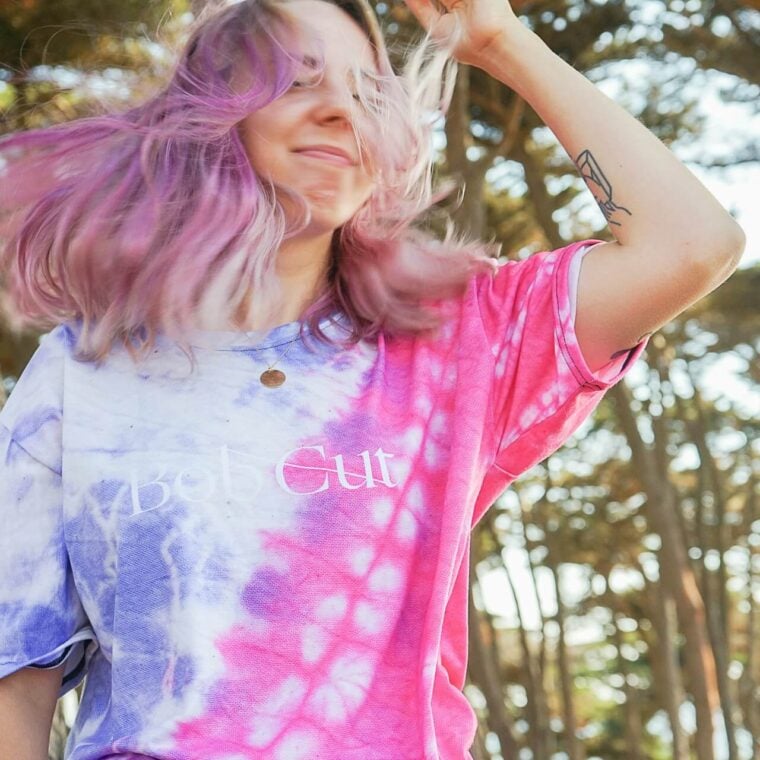
Resist techniques, where parts of the garment are tied, folded, or waxed so the dye reaches only some areas. Every piece comes out slightly different. A tie-dye t shirt manufacturer should agree an approved standard with the buyer, because no two garments will match exactly.
T-Shirt Dyeing Techniques Compared
| Technique | Fibre | Wash Fastness | Best For |
|---|---|---|---|
| Reactive | Cotton, viscose | High | Most cotton t-shirts |
| Vat | Cotton | Very high | Deep shades, heavy use |
| Pigment | Cotton | Fades by design | Washed, vintage looks |
| Disperse | Polyester | High | Performance and blends |
| Sulphur | Cotton | Good | Blacks and navies |
| Yarn dyed | Cotton, blends | High | Stripes, melange, polos |
| Garment dyed | Cotton | Good | Washed streetwear basics |
Dyeing Techniques in India: The Compliance Side
Dyeing is the most water-intensive stage of t-shirt production, and in India it is also the most regulated. Dyeing and processing units in Tirupur operate under a zero liquid discharge rule, which means effluent must be treated and the water recovered rather than released into rivers. For buyers, that makes Tirupur one of the more compliance-ready places to source dyed cotton garments. Alongside it, export orders usually need AZO-free dye reports, and many brands ask for OEKO-TEX certified dyeing, which we arrange through our certified partner factories. After dyeing, the next stage for many t-shirts is decoration, covered in our guide to t-shirt printing techniques.
How to Specify Colour in a Tech Pack
Give a Pantone reference or a physical colour standard, not a screen colour, because screens vary. Any custom colour t-shirt order should be Pantone matched through lab dips. State whether the t-shirt should be yarn dyed, fabric dyed, or garment dyed. Ask for lab dips and approve one before bulk. Specify the colour fastness you need, especially for dark shades and garments that will be washed often. For export, ask for AZO-free reports. And agree an acceptable shade tolerance between batches, because dye lots vary slightly even in the best mills.
Our recommendation
As a dyed t shirt manufacturer, our view is that of all the t shirt dyeing techniques, reactive fabric dyeing gives most cotton t-shirts the best balance of colour, fastness, and cost. Choose yarn dyeing for knitted stripes and melange, and garment dyeing for a washed look, with a 5% shrinkage allowance in the pattern. We produce fabric-dyed, yarn-dyed, and garment-dyed t-shirts from a minimum of 300 pieces per colour per style, including for Canadian brands through our Canada t-shirt manufacturing service. Send us a tech pack for lab dips and a sampled quote.
Frequently Asked Questions
What are the different dyeing techniques for t-shirts?
The main t-shirt dyeing techniques are reactive, vat, pigment, disperse, direct, acid, indigo, azoic, and sulphur dyeing, plus resist methods such as tie-dye and batik. Colour can also be added at the yarn stage, the fabric stage, or after sewing as garment dyeing.
What is the best dyeing method for cotton t-shirts?
Reactive dyeing is the standard for cotton t-shirts because the dye bonds chemically with the fibre, giving bright colour and strong wash fastness. Vat dyeing is used where even higher fastness is needed for deep shades.
What is the difference between yarn dyed and garment dyed t-shirts?
A yarn dyed t-shirt is knitted from yarn that was dyed first, which is how knitted stripes and melange effects are made. A garment dyed t-shirt is sewn from undyed fabric and dyed as a finished piece, which gives rich, slightly uneven colour and needs a shrinkage allowance in the pattern.
Why do t-shirt buyers ask for AZO-free dyes?
Some azo dyes can release restricted aromatic amines, which are banned in the EU and other markets. Export buyers ask for AZO-free test reports to confirm the dyes used are safe and compliant.
How are dyeing techniques in India regulated?
In Tirupur, dyeing and processing units operate under a zero liquid discharge rule, so effluent must be treated and water recovered rather than released. Export orders also commonly require AZO-free reports and OEKO-TEX certified dyeing.

About the Author: Karthik Shan
Karthik Shan is the founder and CEO of The Synerg, with 20+ years in the Tirupur textile hub. He publishes practical playbooks for brands on fabric GSM, costing (CM/CMT), AQL quality standards, and export-ready production.