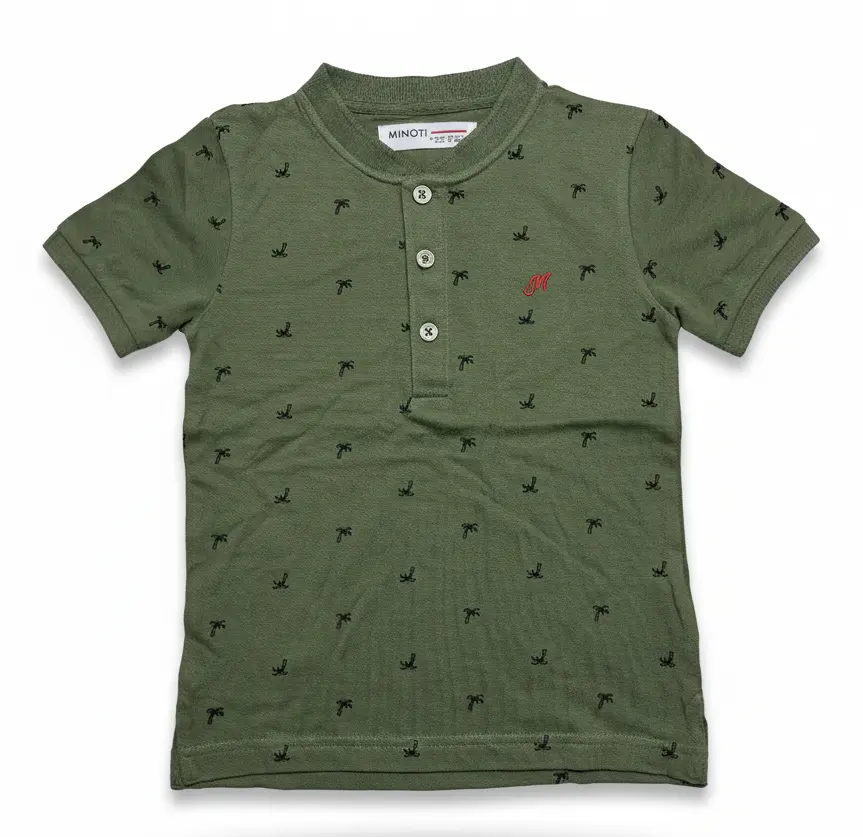
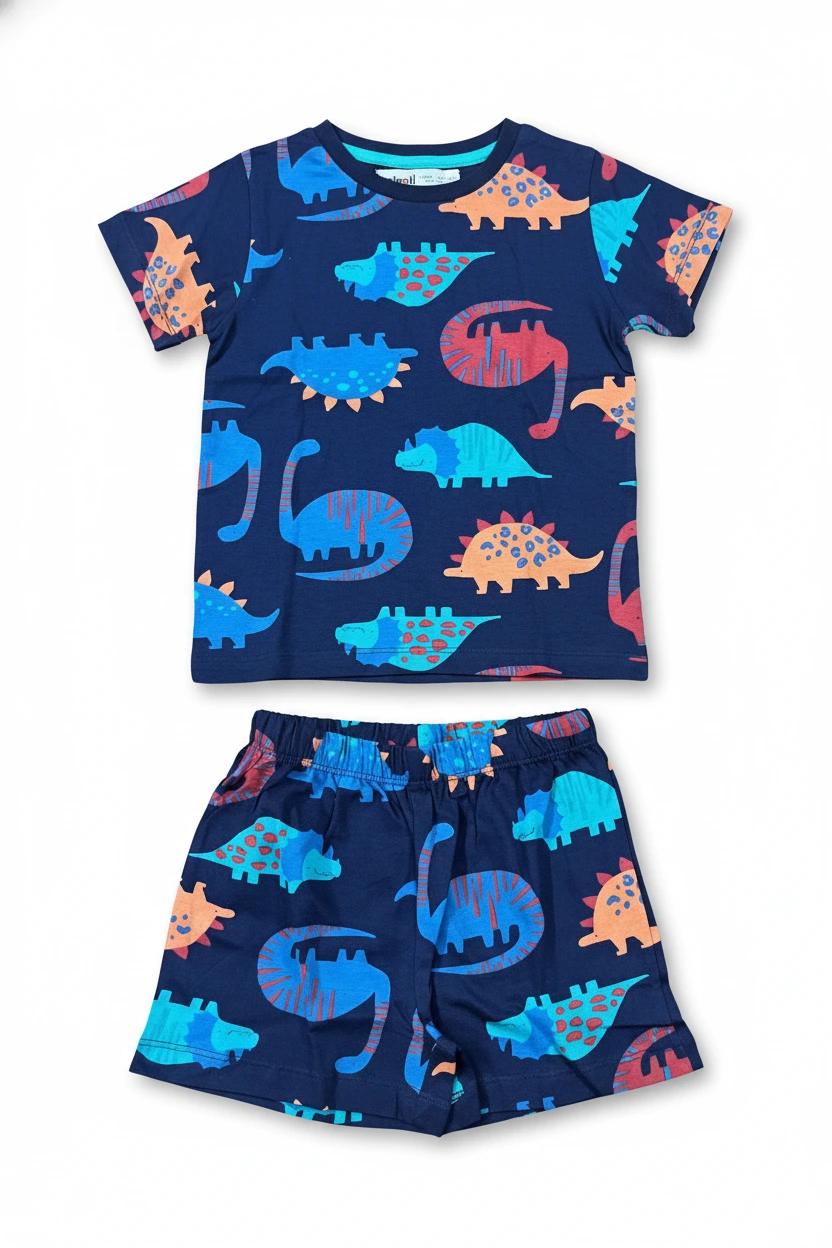
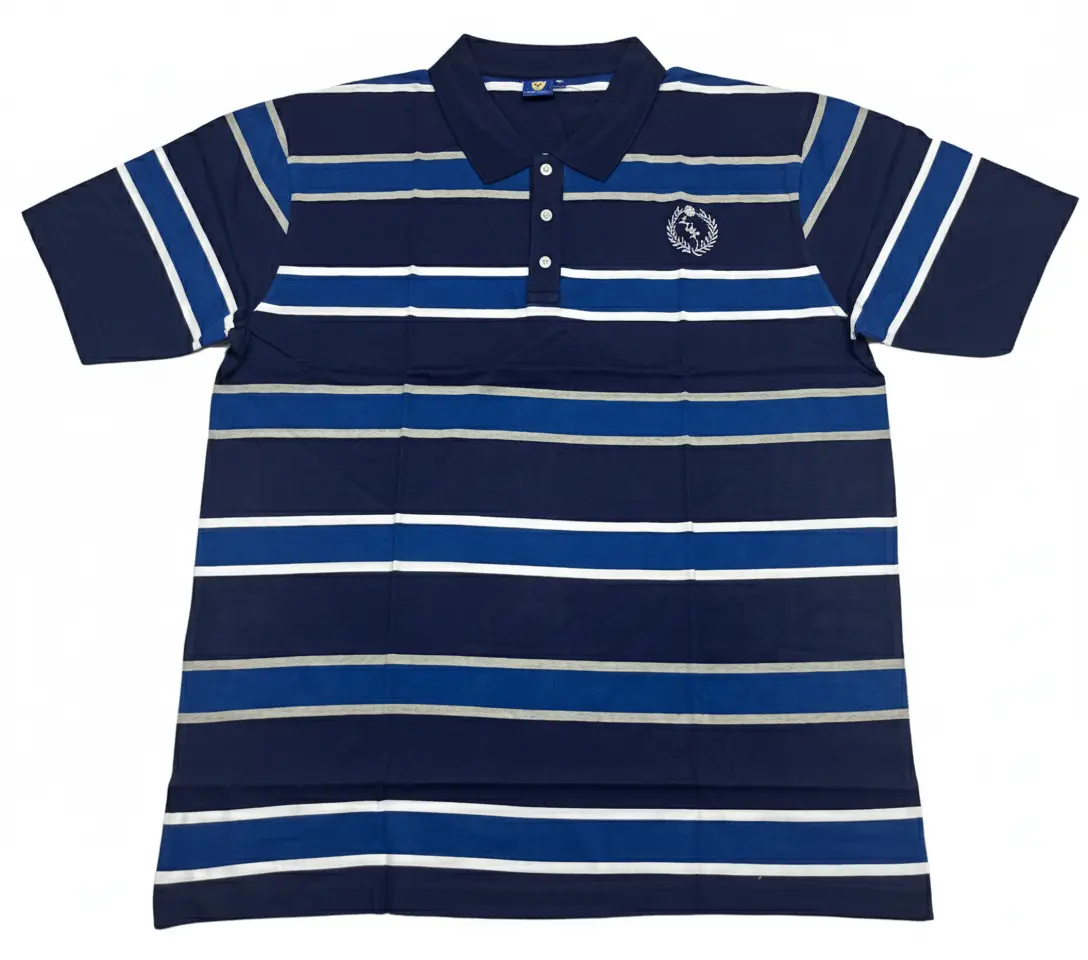
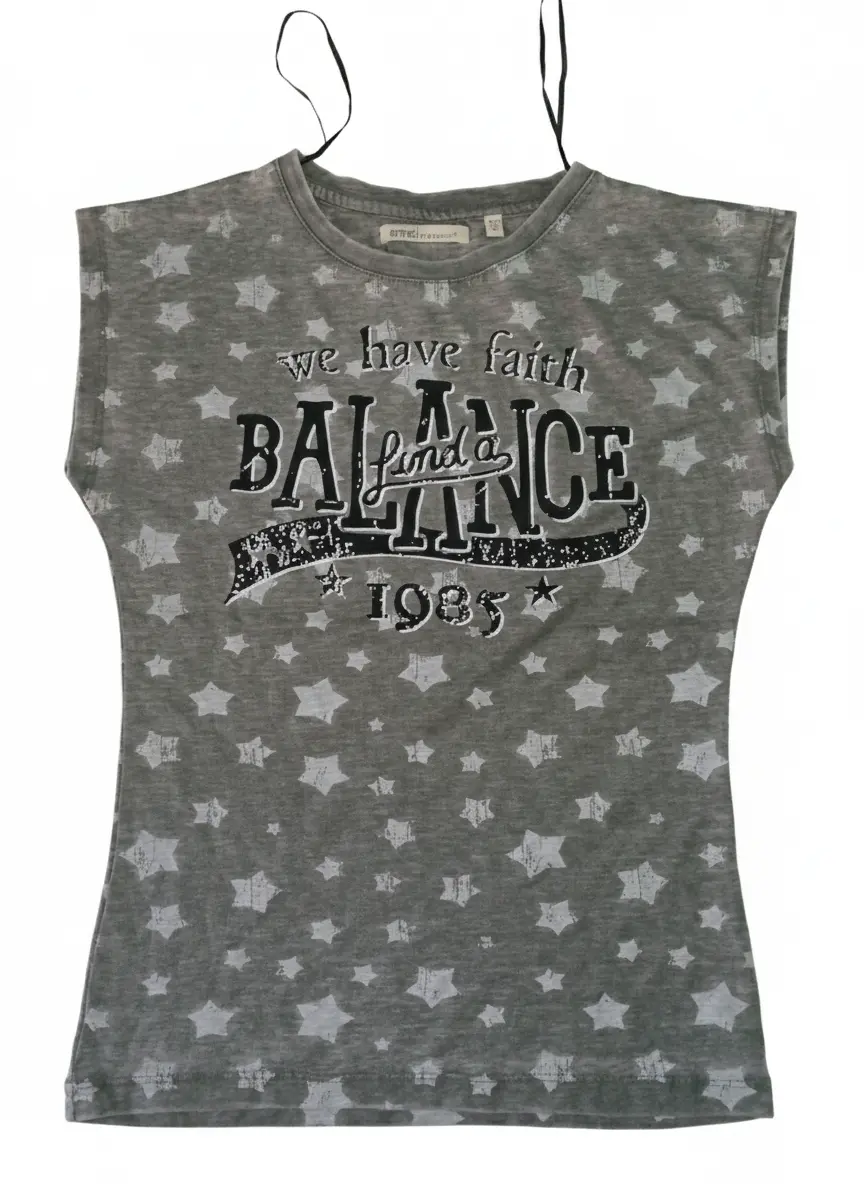
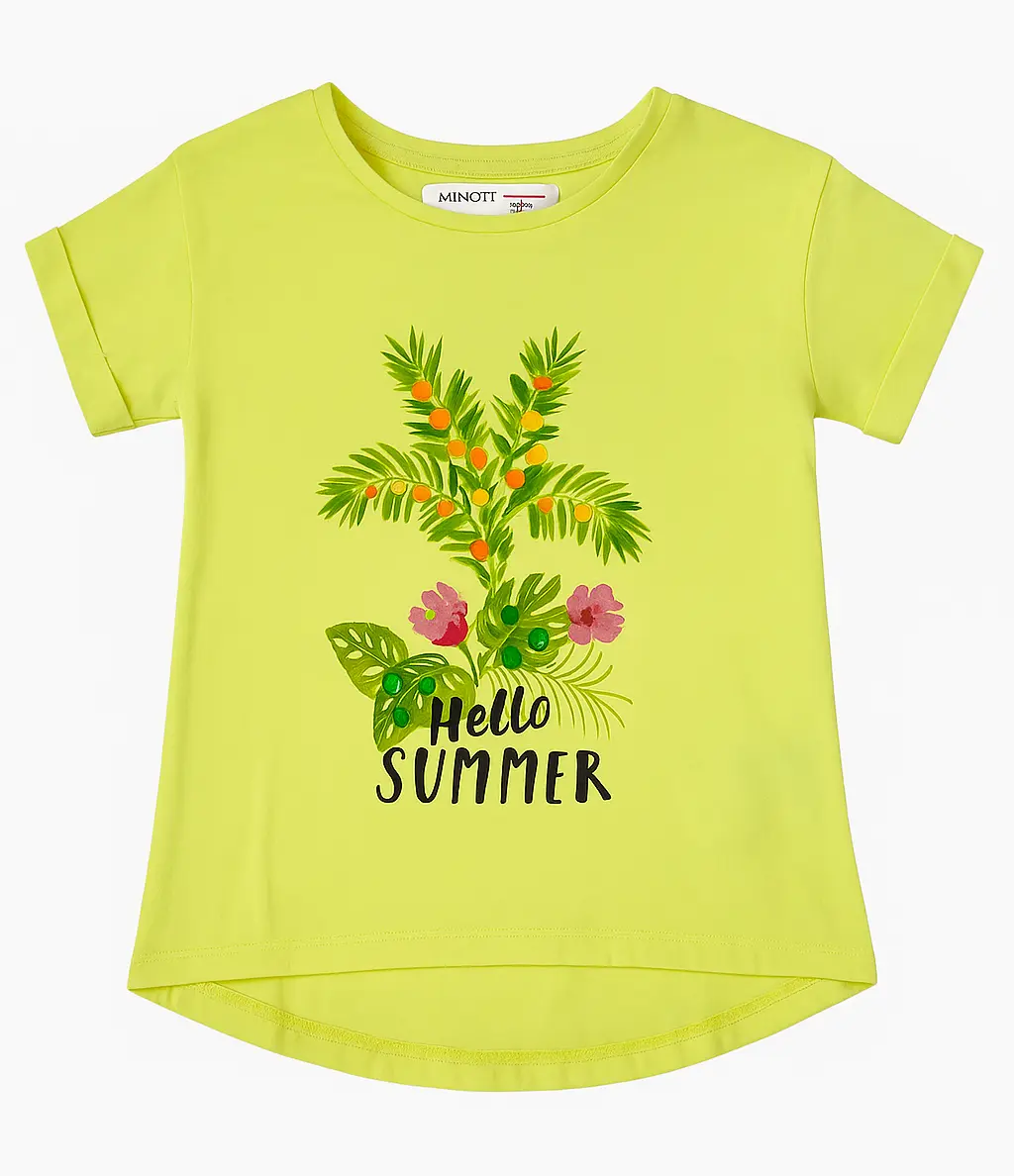
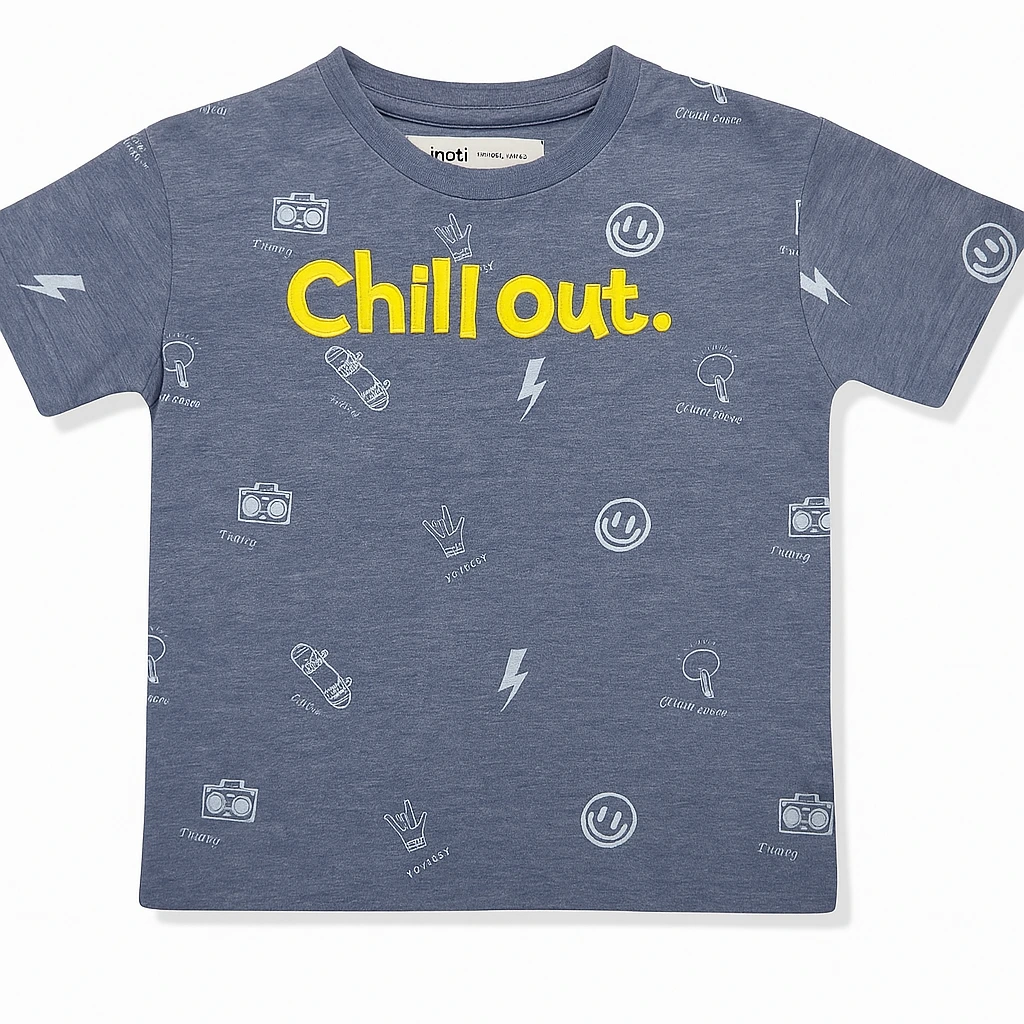
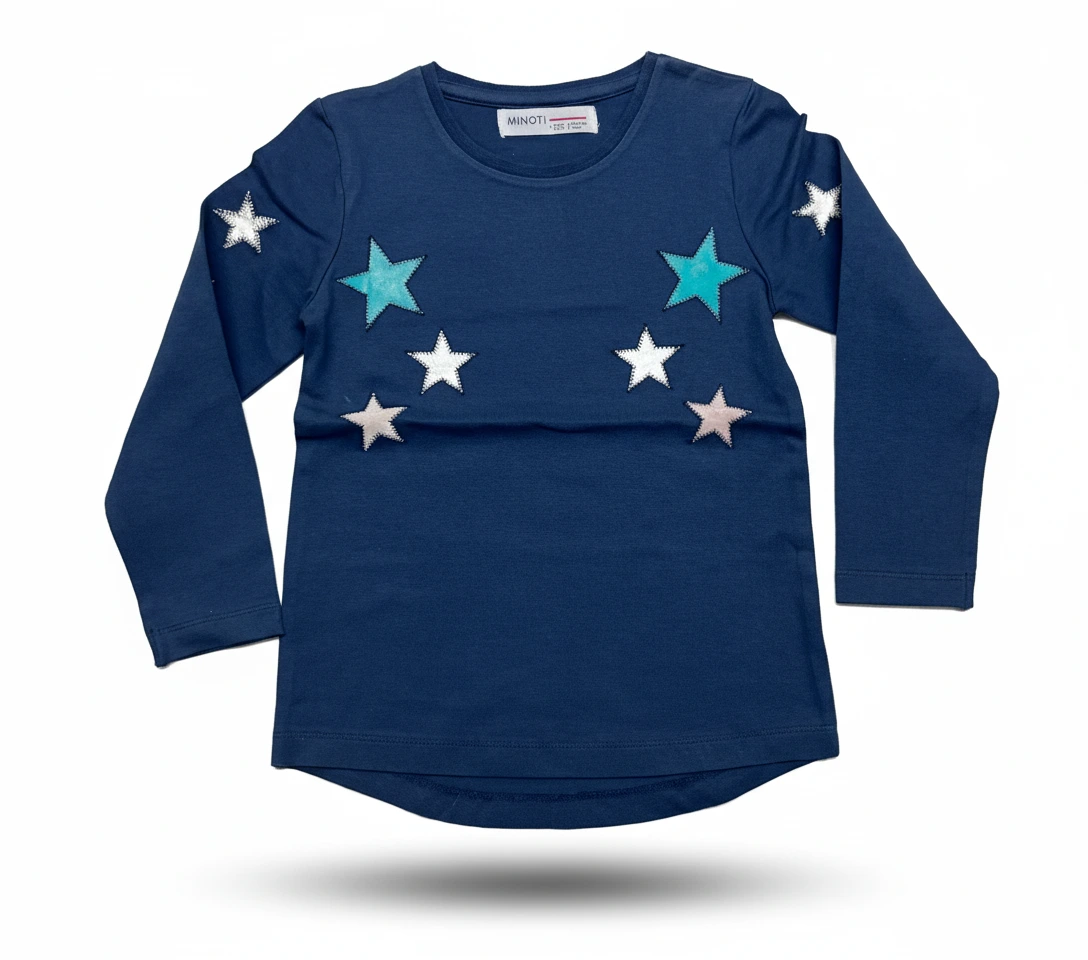
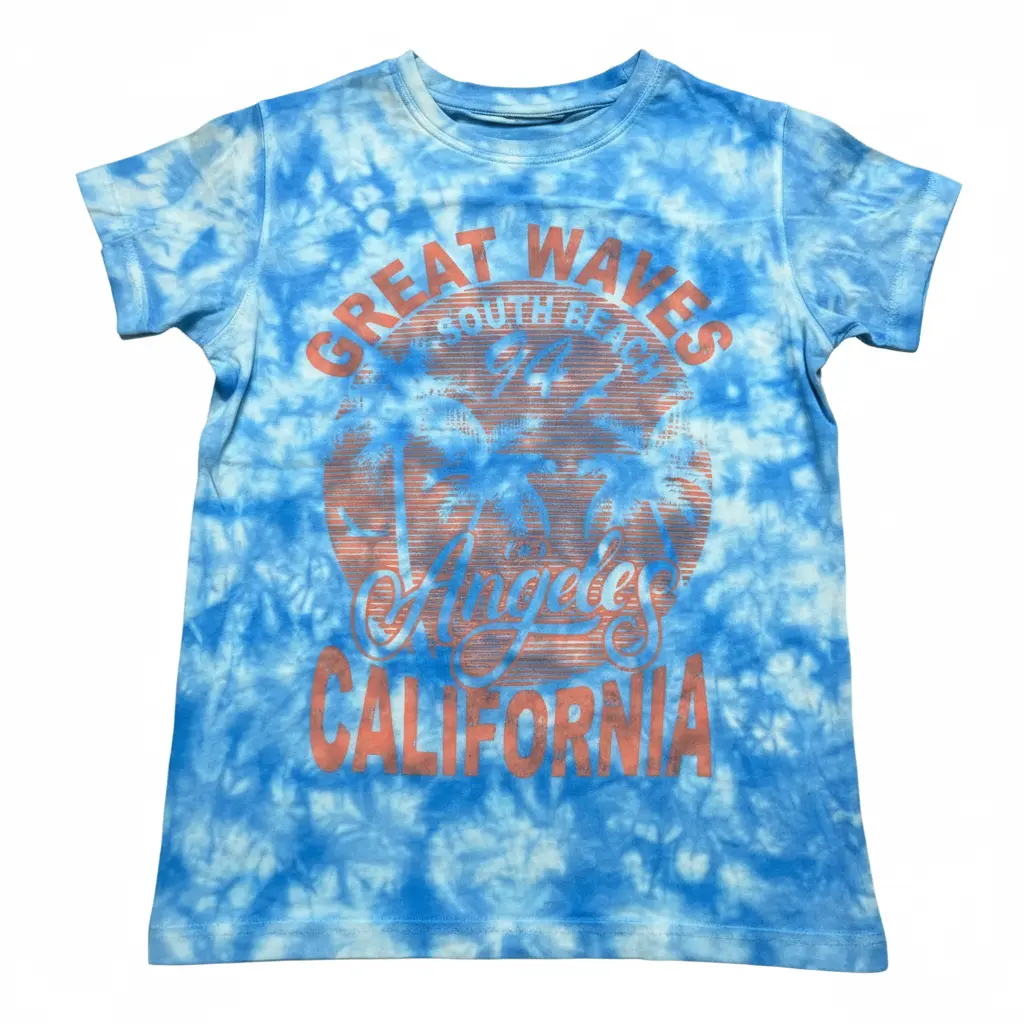
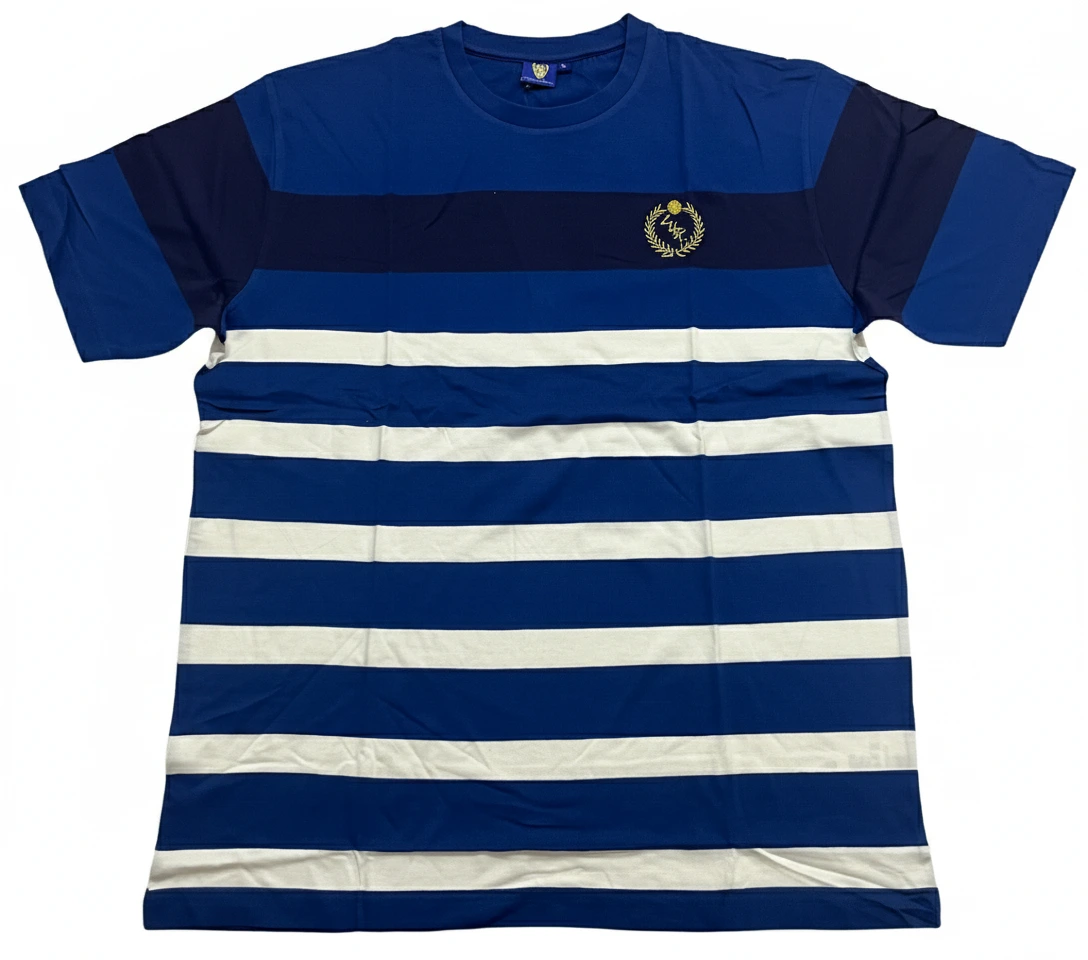
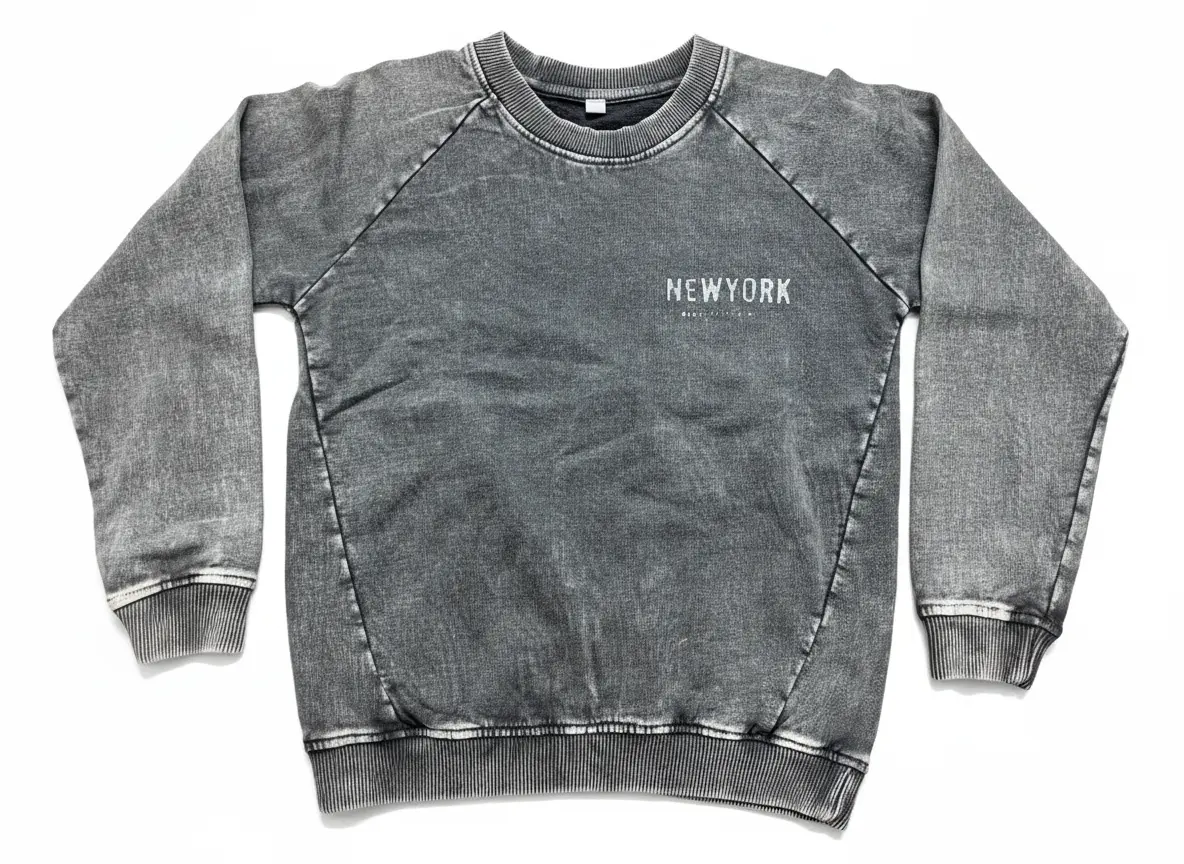
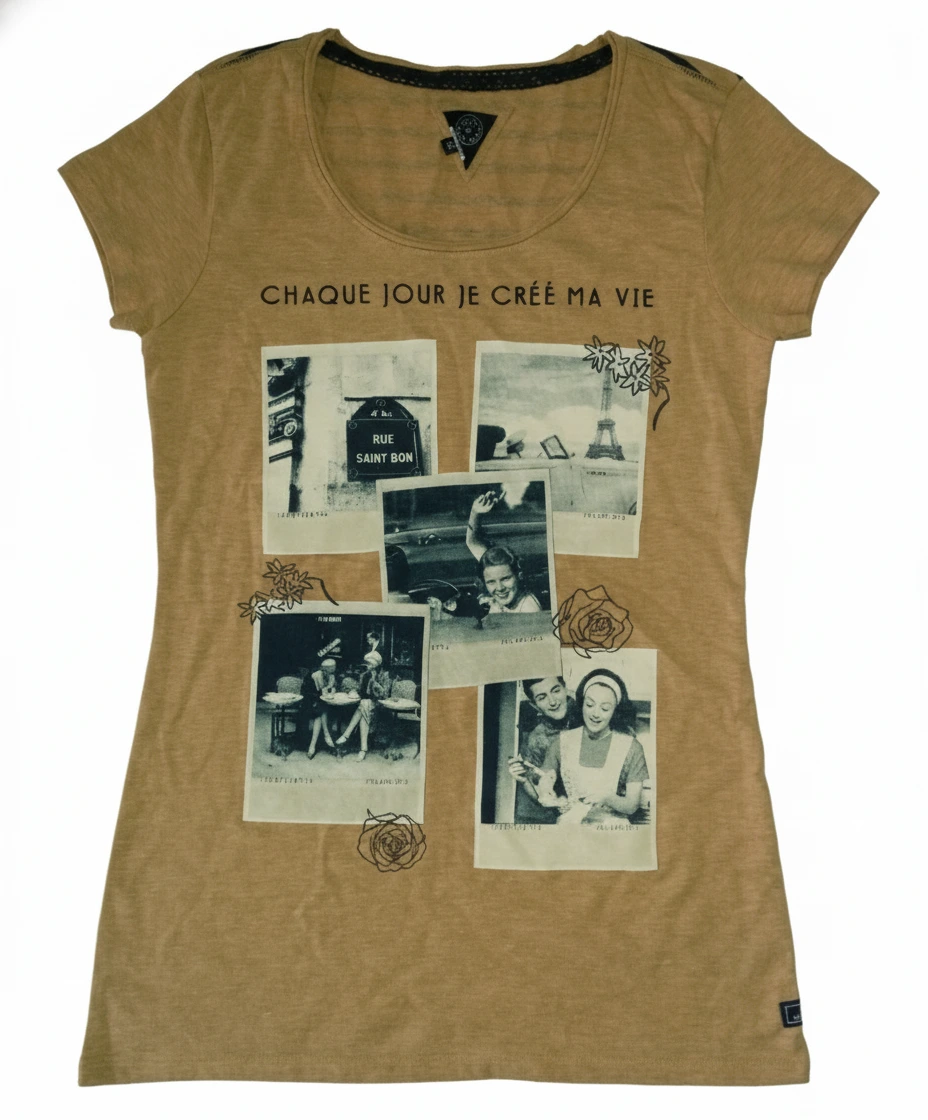
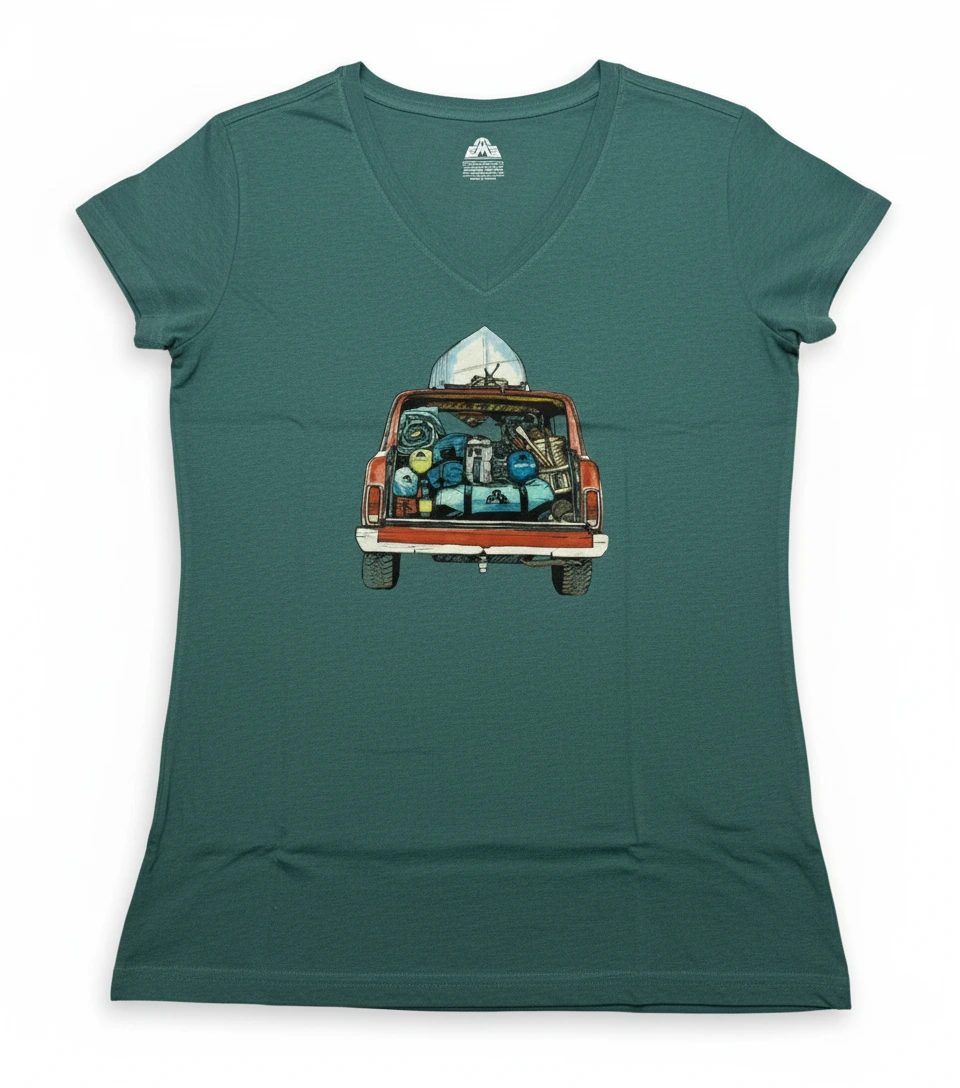
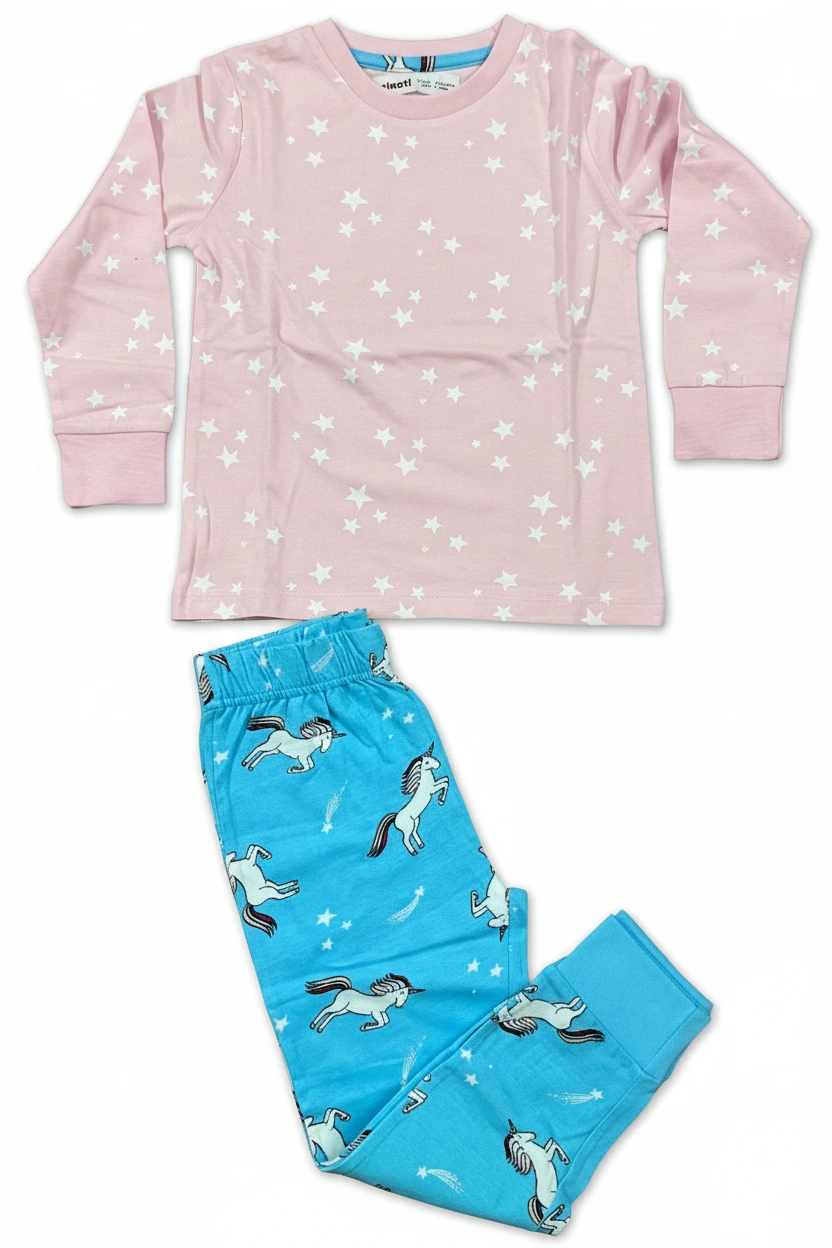
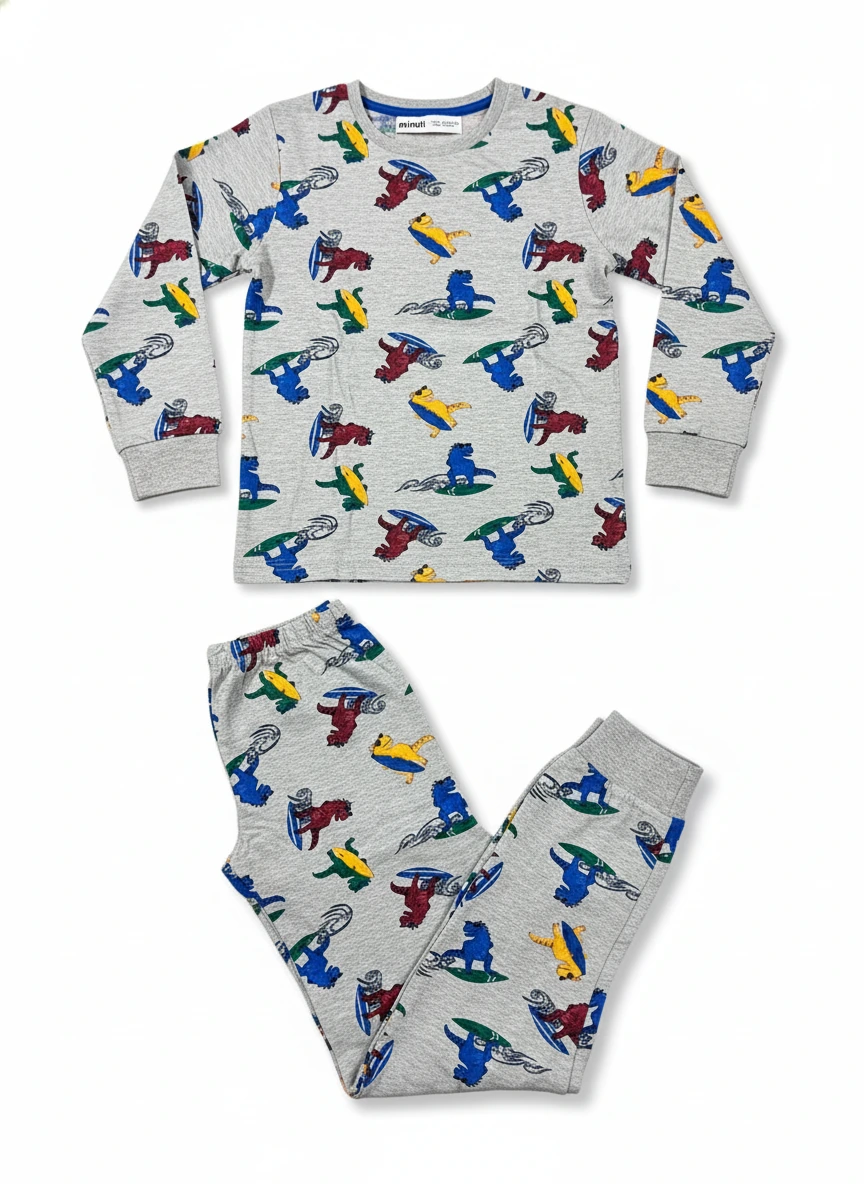
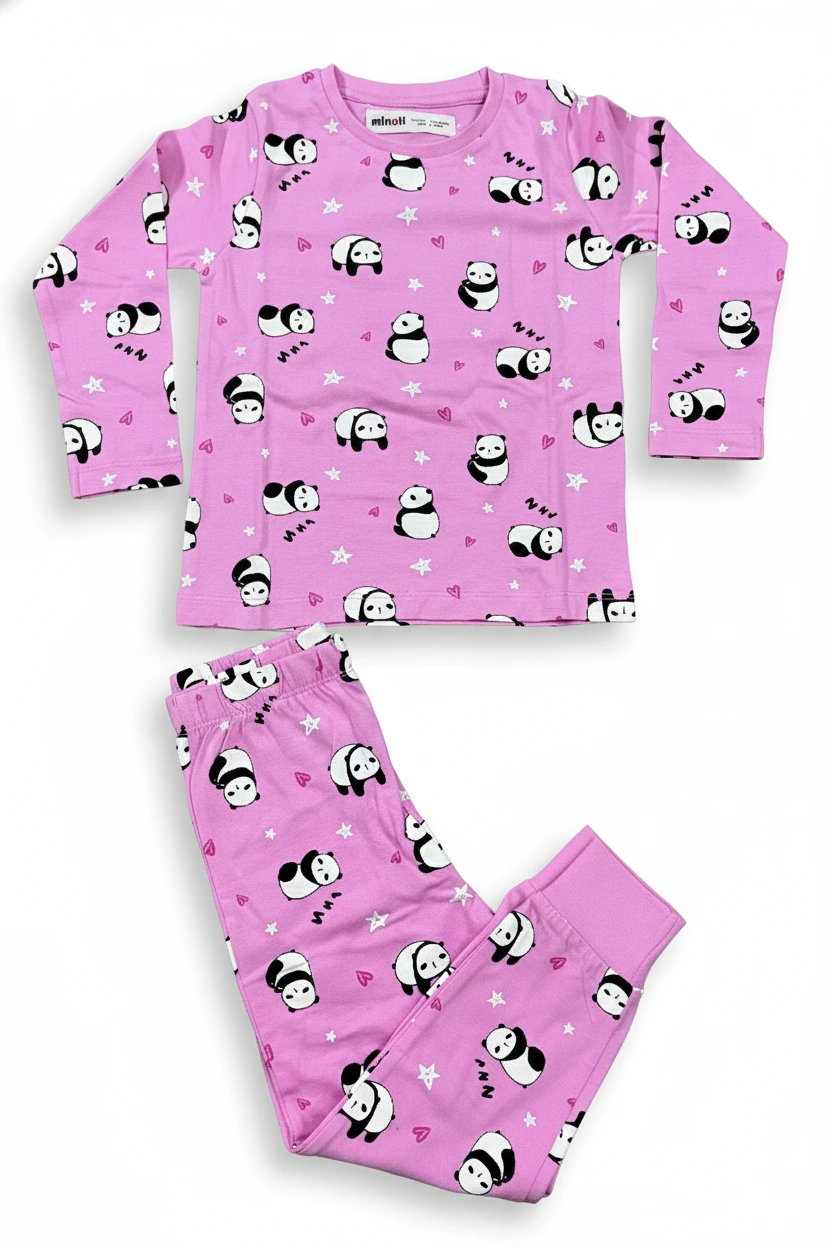
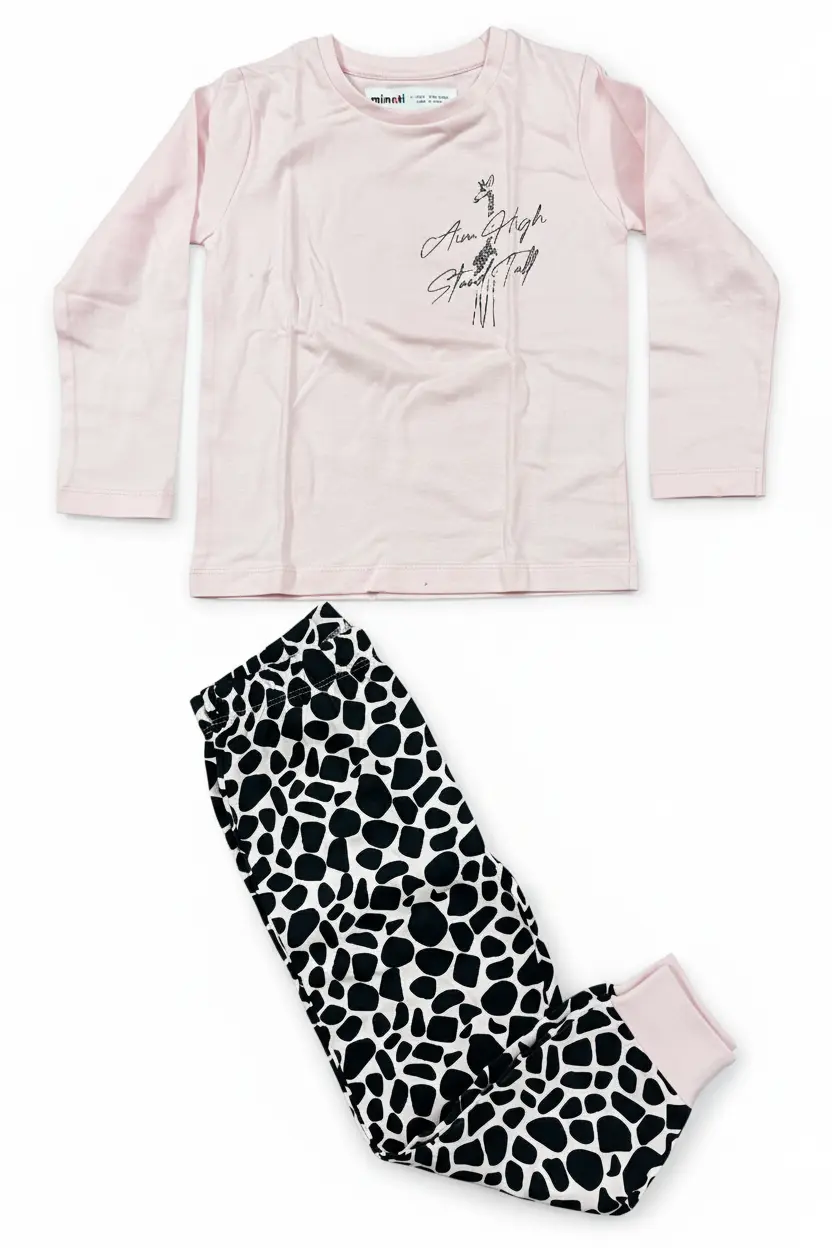
As global clothing manufacturing service providers, Synerg supports fashion brands and sourcing teams that expect reliable, premium, and high quality production. As a modern clothing factory, we offer an end to end workflow covering design development, sampling, materials, fitting, compliance, export ready apparel and bulk execution. Acting as private label clothing manufacturers, we help labels build strong product lines with consistent quality, sustainable options, and transparent communication. Our role as custom clothing manufacturers & apparel production house allows brands to create unique styles, explore diverse fabrics, and scale confidently through a trusted overseas production network. With a focus on ethical and eco friendly processes, strict quality benchmarks, and seamless coordination, we help global apparel and garment buyers bring collections to life with precision and speed.

Get pricing, MOQs, timelines, and sampling details for your tech packs
Why Global Brands choose our Clothing manufacturing Services
Global brands choose Synerg because we combine premium manufacturing capability with ethical processes, reliable coordination, and a flexible production model that supports private label, custom, and bulk apparel needs. Our sourcing and execution systems are built for overseas buyers who expect high quality, transparent communication, and consistent results across every manufacturing stage.
As global clothing manufacturers, we work with brands that expect dependable execution, modern production standards and a high quality clothing production house capable of supporting international growth. Our model is built for developed-market buyers who value ethical processes, sustainable options and a reliable partner who understands private label, custom and bulk apparel manufacturing requirements across diverse categories.


See How We Control Quality in Every Production Unit
Synerg follows a structured QC workflow used by global apparel brands — covering fabric checks, shrinkage tests, inline inspections, print and embroidery evaluations, measurement verification, and final AQL reporting. Download our QC Report Sample to see real inspection report from our apparel factories.
This helps you understand the exact quality-control procedures we follow for international buyers and how each order is monitored through a structured inspection process.