

Launching a collection involves more than just sewing fabric; it requires managing a complex supply chain from raw fiber to retail packaging. The clothing line production process varies depending on the factory’s capabilities, but at Synerg, we follow a vertically integrated approach to ensure consistency for our brand partners.
Unlike a standard cut-and-sew operation, managing a full production line involves sourcing the raw yarn itself. Here is the 10-step lifecycle of a production run in our facility:
- Design and Tech Packs: The first step is translating your concept into a blueprint. This can be done by your in-house team or our technical designers. In the industry, we call these tech packs. Without a precise measurement chart and tech pack, creating a “Gold Seal” sample is impossible.
- Yarn Procurement: This is where we differ from basic workshops. We don’t just buy fabric; we procure specific yarns (Cotton, Modal, Polyester) directly from spinning mills. This gives us control over the base quality of your clothing line before the fabric even exists.
- Fabric Production (Knitting/Weaving): Once the yarn arrives, we produce the fabric. For t-shirts and activewear, this involves circular knitting machines. Creating our own fabric allows us to control the exact GSM (weight) and texture required for your specific price point.
- Dyeing & Processing: Raw fabric (greige) is then sent to dyeing. For woven fabrics, dyeing might happen at the yarn stage (yarn-dyed). For knits, we typically dye the fabric rolls using soft-flow machines. This is critical for achieving color fastness and ensuring your “Navy Blue” stays blue after washing.
- Cutting: Once the fabric is dyed and compacted, it is layered and cut. We use markers to minimize waste. Precision here is key—if the cut is wrong, the fit is wrong.
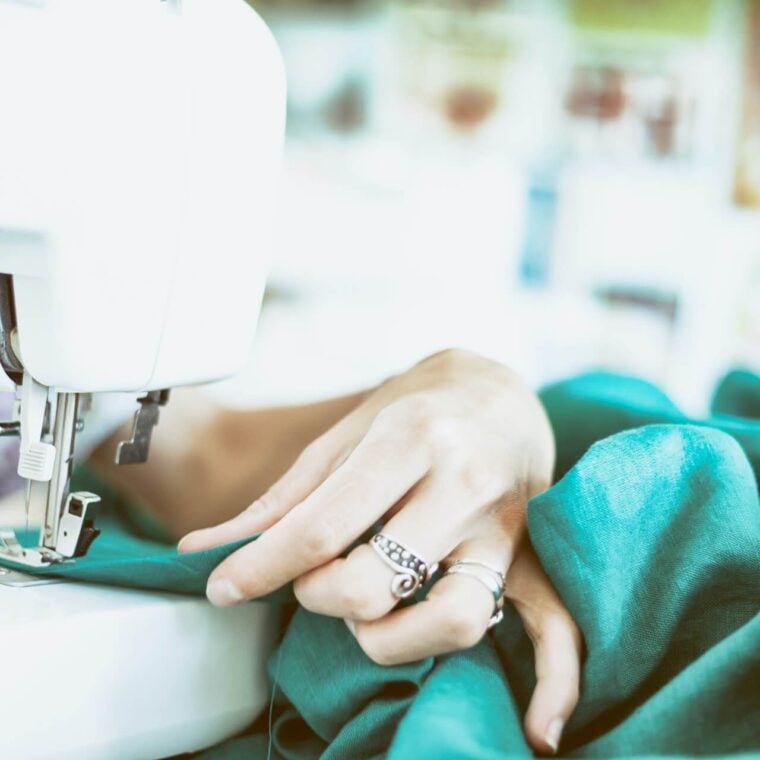
- Sewing: The cut panels are moved to the sewing floor. We assign specific lines for specific garments—e.g., a line dedicated solely to polos will have specialized machines for plackets and collars.
- Printing and Embellishment: If your clothing design involves screen printing or embroidery, it happens now. We typically print on cut panels (before sewing) to ensure edge-to-edge accuracy.
- Finishing: After assembly, the garment enters the finishing stage. This isn’t just ironing; it involves “thread sucking” (removing loose threads), button attachment, and steam pressing to set the final shape.
- Quality Control (QC): Our QC team inspects 100% of the goods for measurements, fabric defects, and stain marks. We follow strict AQL (Acceptance Quality Limit) standards to ensure export-grade quality.
- Packaging and Shipping: Finally, garments are poly-bagged, carton-packed, and shipped to your warehouse.
Planning Your Schedule: How Long Does It Take?
One of the most common questions I get from founders is about timelines. While every clothing manufacturing company is different, here is a realistic schedule for a standard production run:
| Production Stage | Estimated Duration |
|---|---|
| Sampling & Approvals | 2 – 3 Weeks |
| Yarn & Fabric Dyeing | 3 – 4 Weeks |
| Cutting, Sewing & Finishing | 3 – 5 Weeks |
| Total Lead Time | 60 – 90 Days |
These are the general steps involved in the process, but the specifics can vary. By controlling the yarn and fabric stages ourselves, we help brands avoid the common delays that happen when factories have to wait for external fabric suppliers.
Ready to Start Your Line?
Navigating yarn procurement and dyeing can be overwhelming. Explore our full guide on starting a manufacturing company to see how we simplify the process.

Karthik Shan
CEO of Synerg and manufacturing consultant. With 20+ years of experience managing production lines in Tirupur, Karthik helps global brands navigate the technical side of apparel manufacturing.